
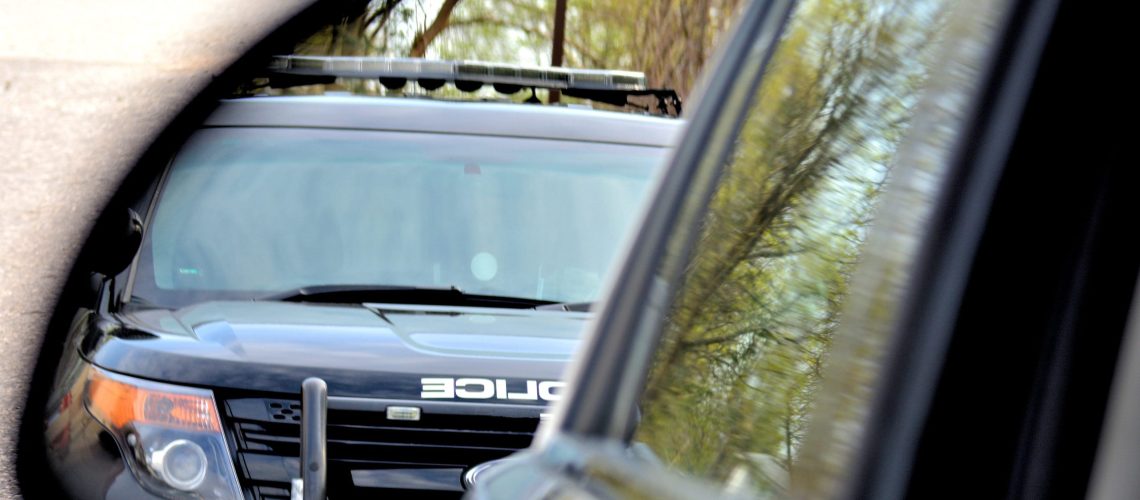
Can Police Pull You Over Just Because You Left a Bar?
Seeing flashing lights in your rearview mirror after leaving a bar can be an unsettling experience. Many people assume that simply pulling out of a bar parking lot is enough for police officers to initiate a traffic stop. However, under California law, law enforcement cannot legally stop a driver solely because they were seen leaving a bar or restaurant that serves alcohol.
Police officers must have a lawful reason to pull your vehicle over. If they do not, any evidence obtained during the traffic stop, including observations of impairment, field sobriety tests, breath tests, and even an arrest, may be subject to challenge.
If you were arrested for DUI after leaving a bar in San Diego, understanding your constitutional rights and how traffic stops work could play a critical role in your defense.
Police Need Reasonable Suspicion to Make a Traffic Stop
The Fourth Amendment protects drivers from unreasonable searches and seizures. Before an officer can stop your vehicle, they must have reasonable suspicion that you have committed a traffic violation or are involved in criminal activity.
Simply leaving a bar, nightclub, brewery, winery, or restaurant does not automatically create reasonable suspicion.
Officers cannot stop every vehicle exiting a parking lot simply because alcohol is served there. They must observe something that justifies the stop.
Examples of lawful reasons include:
- Speeding
- Weaving within or outside your lane
- Running a stop sign or red light
- Driving without headlights at night
- Illegal turns
- Expired registration
- Equipment violations, such as broken taillights
- Following another vehicle too closely
Without an objective reason for the stop, the legality of the entire investigation may come into question.
Why Officers Watch Bars and Restaurants
Law enforcement agencies often patrol areas surrounding bars and entertainment districts, particularly on weekends and holidays.
This does not mean officers are looking to stop everyone who leaves. Instead, they are watching for driving behaviors that may indicate impairment, including:
- Wide turns
- Drifting between lanes
- Driving significantly below the speed limit
- Delayed responses to traffic signals
- Nearly striking curbs or other vehicles
- Failure to use turn signals
If an officer observes one or more traffic violations, they may have sufficient legal grounds to initiate a stop.
Can an Anonymous Tip Lead to a DUI Stop?
Sometimes police receive reports from bartenders, restaurant employees, or other drivers claiming someone may be intoxicated. An anonymous tip by itself is not always enough to justify a traffic stop.
In many situations, officers must independently observe suspicious driving or other facts that corroborate the report before pulling a vehicle over. Courts generally require more than an unverified allegation before allowing a stop based solely on someone else’s claim.
What Happens After the Stop?
Once an officer legally stops a vehicle, they begin evaluating whether the driver may be impaired. They may look for signs such as:
- Odor of alcohol
- Bloodshot or watery eyes
- Slurred speech
- Difficulty locating documents
- Confusion when answering questions
- Open containers inside the vehicle
The officer may then ask the driver to perform field sobriety tests or submit to a preliminary breath test, depending on the circumstances.
Everything that occurs after the stop depends upon whether the initial stop itself was lawful.
What If the Stop Was Illegal?
If an officer lacked reasonable suspicion to stop your vehicle, your attorney may file a motion challenging the legality of the traffic stop.
If the court determines the stop violated your constitutional rights, important evidence may be excluded from the prosecution’s case.
Depending on the facts, this could include:
- The officer’s observations
- Field sobriety test results
- Breath or blood test evidence obtained after the stop
- Statements made by the driver following the unlawful detention
Without this evidence, prosecutors may have difficulty proving a DUI charge beyond a reasonable doubt.
DUI Checkpoints Are Different
Some drivers wonder whether the same rules apply at DUI checkpoints. California permits properly conducted DUI checkpoints under specific legal guidelines.
Unlike a traditional traffic stop, officers at a checkpoint do not need individualized reasonable suspicion before briefly stopping vehicles. However, checkpoints must comply with strict constitutional requirements regarding planning, publicity, location, and how vehicles are selected.
If those procedures are not followed, the legality of the checkpoint itself may also be challenged.
Every DUI Stop Should Be Carefully Examined
One of the first questions an experienced DUI defense attorney asks is: Why did the officer stop the vehicle in the first place?
Police reports often describe subtle driving behaviors that allegedly justified the stop. Sometimes dashboard camera footage, body-worn camera recordings, or witness testimony tells a different story.
Carefully reviewing the circumstances leading up to the stop may reveal inconsistencies, unsupported conclusions, or constitutional violations that strengthen the defense.
Why Early Legal Representation Matters
If you’ve been arrested for DUI after leaving a bar or restaurant in San Diego, don’t assume the traffic stop was automatically lawful simply because you had been drinking.
An experienced DUI defense lawyer can investigate whether police had a valid legal basis to stop your vehicle, review all available evidence, and determine whether your constitutional rights were violated. In some cases, successfully challenging the legality of the stop can significantly weaken the prosecution’s case or even lead to the dismissal of charges.
San Diego DUI Attorney
Every DUI case begins with the initial traffic stop, and whether that stop was lawful can make all the difference.
DUI Attorney Rick Mueller has spent decades defending clients throughout San Diego County and carefully analyzes every aspect of a DUI investigation, from the officer’s reason for initiating the stop to the administration of chemical testing. If you have been arrested for DUI after leaving a bar, restaurant, or other establishment that serves alcohol, obtaining experienced legal representation as early as possible can help protect your rights and your future.
Contact Rick Mueller today to schedule a confidential consultation and discuss your defense options.
Can Police Pull You Over Just Because You Left a Bar?