
What Happens If Your IID Reports a Failed Breath Test in California?
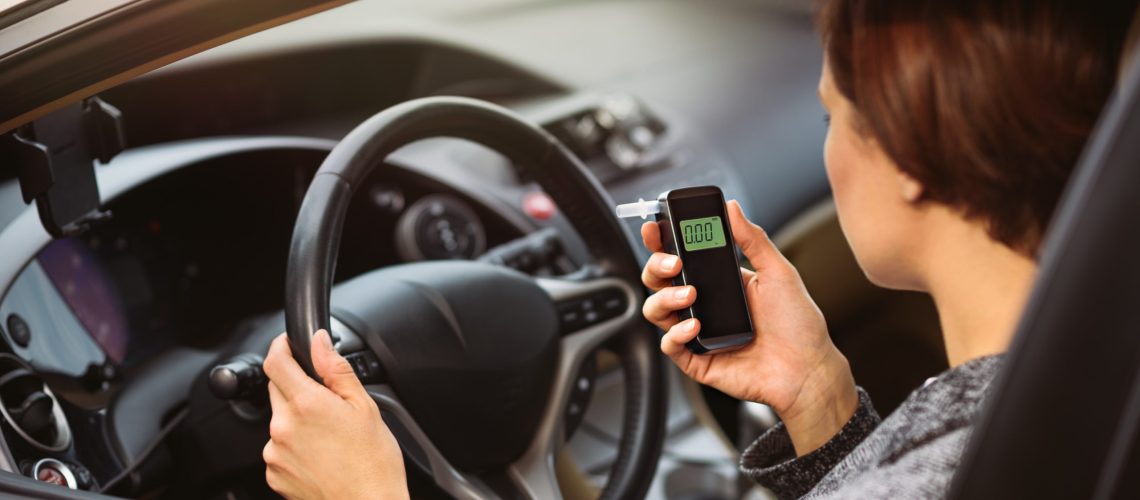
An ignition interlock device, or IID, can make driving after a California DUI conviction feel like a constant test. The device requires a breath sample before the vehicle starts and can require additional breath samples while the vehicle is being driven.
A failed IID test does not automatically mean that you will be charged with another DUI. It also does not necessarily mean that your California driver’s license will immediately be suspended or revoked.
What happens next depends on why the test failed, what the IID recorded, whether another sample was provided, and whether the incident is reported to the DMV as a compliance violation.
Understanding how the IID works and what to do after a failed test can be important for protecting your driving privileges.
Why Would an IID Report a Failed Breath Test?
An IID is designed to prevent a vehicle from starting when it detects alcohol in the driver’s breath.
California’s IID program also requires random retests after the vehicle has been started. State law defines a random retest as a breath test performed at random intervals while the vehicle’s motor is running. California law also addresses a failure to pass a random retest with a breath alcohol concentration above the applicable threshold.
There are several possible reasons an IID could report a failed test. The device could detect alcohol because the driver actually consumed alcohol. However, a failed reading does not necessarily establish why alcohol was detected.
Other circumstances can potentially affect an IID reading. Depending on the situation, drivers may be concerned about substances or products that contain alcohol, contamination in the mouth, or a problem with the device itself.
Does a Failed IID Test Mean You Are Getting Another DUI?
An IID reading is not the same thing as being arrested for DUI by a police officer.
A failed IID test may prevent the vehicle from starting or may create a record within the device. A driver who receives a failed reading should not assume that the reading automatically results in a new criminal DUI charge.
The circumstances can be very different from a traffic stop in which an officer personally observes driving, conducts an investigation, and obtains a chemical test.
That said, an IID restriction is a legal requirement, and drivers are expected to comply with the conditions of the restriction. Problems with the device should therefore be taken seriously.
What If the IID Fails Before the Car Starts?
A failed startup test usually means the vehicle will not start. The exact response depends on the device and the circumstances, but the driver may be given an opportunity to provide another breath sample. If the second sample passes, the vehicle may start normally.
A driver should not try to circumvent the IID or have another person provide a breath sample. California’s IID rules specifically address bypassing, tampering with, or removing an IID, and those actions can create separate compliance problems.
Instead, if a failed reading appears to be inaccurate, it is important to document what happened and follow the device manufacturer’s instructions.
What Happens If You Fail a Random Retest While Driving?
This situation can be more serious because random retests are specifically part of California’s IID requirements.
After the vehicle has started, the IID can require additional breath samples while the engine is running. The purpose is to make sure the driver continues to comply with the alcohol restriction while driving.
If the IID detects alcohol during a random retest, the device may provide warnings or record the event.
The driver should never attempt to stop in an unsafe location simply because the IID requests a retest. California law recognizes that random retests occur while a vehicle is operating, and drivers should follow the device’s instructions while maintaining control of the vehicle.
The important issue afterward is determining exactly what the device recorded and whether the event was treated as a reportable violation.
Will the DMV Automatically Suspend Your License?
A failed breath sample does not necessarily mean the DMV will immediately suspend your license.
The DMV’s IID program specifically provides for installer reporting of certain types of noncompliance. For example, the DMV explains that an installer can report that an IID has not been calibrated within the required period, after which the DMV can suspend or revoke the driving privilege. The DMV also explains that the restriction can be reinstated after the driver returns to compliance and the installer submits the required documentation.
The DMV’s current IID materials also identify bypassing, tampering, removing the device, and repeated failures .
A failed breath reading and a formal IID noncompliance report are not necessarily the same thing. The circumstances surrounding the failed reading need to be understood before determining what consequences could follow.
What If You Know You Have Not Been Drinking?
If an IID reports alcohol even though you have not consumed alcohol, do not simply assume the device is broken and continue driving without addressing the problem.
Instead, pay attention to what the device displays and follow the manufacturer’s instructions. It can also be helpful to document:
- The date and time of the failed test
- What the IID displayed
- Whether the vehicle started
- Whether a later sample passed
- Whether the event occurred during startup or a random retest
- Anything consumed shortly before the test
- Whether the vehicle had recently been serviced
- Any warning or error messages
- Whether the device required additional testing
These details can become important if the installer later reports a problem to the DMV.
Can Mouthwash or Other Products Cause an IID Reading?
The circumstances can vary depending on the product, timing, device, and amount of alcohol involved. Because of that, drivers should be careful about using products containing alcohol immediately before providing a breath sample.
If an IID produces an unexpected result, documenting what happened can be more useful than simply assuming the reading was correct or incorrect.
What If the IID Keeps Reporting Failed Tests?
If the device repeatedly reports alcohol when you believe the readings are inaccurate, contact the IID provider or installer and ask what the device records show.
California requires IID devices to be calibrated and inspected by a certified installer at intervals of no more than 60 days. The DMV states that failure to complete the required calibration can result in a notice of noncompliance and suspension or revocation of the driving privilege.
The installer may also be able to determine whether the device is functioning properly or whether there is another issue that needs to be addressed.
Can an IID Violation Extend Your Restriction Period?
California’s IID program can pause an IID restriction when the DMV receives a report of noncompliance. The DMV explains that the driver does not receive credit toward the IID restriction period for time during which the required proof of IID installation is not on file. The restriction period can therefore be extended following noncompliance.
A driver who simply ignores repeated failed tests or other IID warnings could potentially create a larger problem than the original failed reading.
What Should You Do After an Unexpected Failed IID Test?
The best response is to stay calm and create a record of what happened.
If you know you have not consumed alcohol, document the failed reading and any subsequent passing reading. Keep receipts or other information that could help establish what you consumed before the test if that becomes relevant.
You should also contact the IID installer if the problem continues or if the device displays an error. Do not attempt to disconnect, remove, bypass, or tamper with the IID.
California’s IID program is built around documented compliance. The DMV requires installation verification and relies on IID installers to report certain noncompliance issues.
What If the IID Provider Reports You to the DMV?
The DMV can take action against an IID-restricted driver’s driving privilege when the applicable requirements are not met. The DMV explains that when an installer reports noncompliance, the IID restriction can be paused, and the driver must return to compliance and provide the required documentation before the IID restriction can be reinstated.
A driver should find out exactly what the installer reported rather than assuming that every failed breath sample results in the same consequence.
If there is a dispute about what happened, the underlying records and circumstances may need to be reviewed.
A Failed IID Reading Is Not the Same as a New DUI Arrest
It is easy to assume that an IID reading showing alcohol means the driver has been caught driving drunk again.
The IID is a monitoring and restriction device. A DUI arrest involves law enforcement and a separate criminal investigation.
California also treats DMV administrative actions and criminal DUI cases as separate matters. The DMV explains that an administrative suspension or revocation is independent from criminal penalties imposed following a DUI conviction.
That distinction is important when evaluating what a failed IID reading actually means.
At the same time, a driver should not treat an IID failure as insignificant. If the event leads to an allegation of noncompliance, the driver’s ability to maintain an IID-restricted license could be affected.
When an IID Problem Becomes a Legal Problem
Do not tamper with the device and/or attempt to bypass it. Do not drive a vehicle that violates the terms of your IID restriction. Instead, preserve the information about the failed test, contact the installer when appropriate, and take any DMV notice seriously.
If the installer reports noncompliance or the DMV takes action against your driving privilege, it may be time to have the situation reviewed by a California DUI attorney.
Don’t Let One IID Reading Turn Into a Bigger Problem
An IID failed breath test can raise questions, but the consequences depend on the circumstances surrounding the reading and what happens afterward. A single unexpected reading does not automatically mean a new DUI conviction or an immediate loss of your driver’s license.
However, IID compliance is an important part of maintaining restricted driving privileges after a California DUI.
If you received a failed IID reading, received an IID noncompliance notice, or are concerned that an IID issue could affect your driving privileges, Rick Mueller can review the circumstances and explain the legal options available in your case.
Contact Rick Mueller, San Diego DUI Defense Lawyer to learn more about defending IID-related driving restrictions and schedule a free consultation today.
What Happens If Your IID Reports a Failed Breath Test in California?