
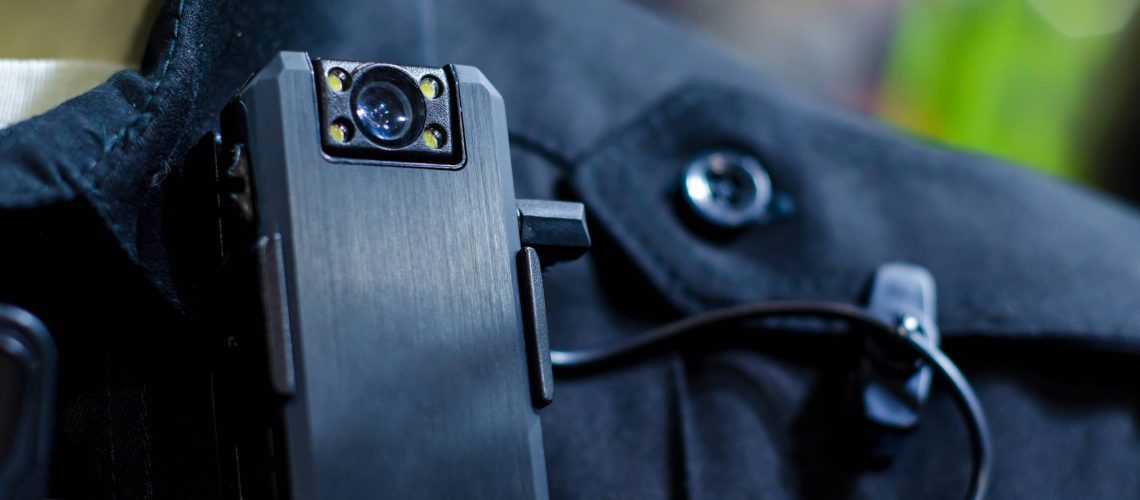
How San Diego Officers Use Body-Worn Cameras in DUI Arrests and How Footage Can Help Your Defense
Most people only worry about breath tests when they’re arrested for DUI in San Diego. But there’s another piece of evidence that can be just as important, sometimes even more powerful: body-worn camera footage.
San Diego Police Department, Sheriff’s deputies, CHP officers, and many local agencies rely heavily on bodycams to document DUI stops, field sobriety tests, conversations, and the officer’s interpretation of impairment. What many drivers don’t realize is that these videos, if optionally turned on and if available, possibly reveal the opposite of what the report claims.
In fact, if optionally turned on and if available, body-worn camera footage has become one of the most valuable tools in fighting DUI charges. It may capture details that written reports tend to exaggerate, overlook, or completely misinterpret, and it possibly shows a much more accurate picture of what actually happened.
This is where a strong DUI defense attorney makes a dramatic difference. Knowing how to analyze what the officer recorded, and what they failed to record, can reshape the entire case.
How Body-Worn Cameras Are Used During San Diego DUI Stops
San Diego officers are trained to activate their bodycams as soon as they initiate a traffic stop, especially in cases involving suspected DUI. The camera, if optionally turned on and if available, may or may not record:
- the reason for the stop
- the officer’s first observations
- the driver’s speech, appearance, and movement
- the instructions for field sobriety tests
- how the driver performs each test
- any statements the driver makes
- the arrest and transportation process
Some agencies also may capture audio and video during breath testing and booking procedures.
What makes bodycam footage, if optionally turned on and if available, so potentially important is the fact that it is recorded in real time, without interpretation. Officers may later write in their report that a driver was “slurring,” “stumbling,” or “unsteady on their feet,” but the video (if optionally turned on and if available) provides the true story, and sometimes the officer’s descriptions simply don’t match.
What Officers Want Bodycam Footage to Show
From the law enforcement perspective, body-worn cameras serve two main purposes: documentation and justification. Officers want the footage to support their decision to stop the driver and ultimately arrest them. That means they may try to highlight things like:
- delayed responses
- fumbling with documents
- bloodshot eyes
- unsteady balance
- difficulty following instructions
However, the camera, if optionally turned on and if available, may record audio or video of not just the factors the officer hopes will strengthen their case. Footage may capture calm speech, steady movements, or moments where the officer gives unclear instructions that possibly could partially invalidate the claim of impairment and/or test results.
Bodycam video may help the prosecution as much as they expect, and sometimes be more helpful. It could also reshape prosecutors’ views of the case which could actually help the defense. Most times, prosecutors do not review any video in advance of bringing DUI charges.
Where Bodycam Footage Contradicts DUI Reports
One of the most common problems in DUI cases is exaggeration in the written report. Officers often use boilerplate language like “strong odor of alcohol,” “thick, slurred speech,” or “poor coordination”, even when the person appears completely normal on any video optionally turned on and if available.
Conversely, any videos, if optionally turned on and if available, may show even stronger evidence against the alleged driver.
In fact, some San Diego DUI bodycam videos, if optionally turned on and if available, show drivers:
- speaking clearly
- walking steadily
- complying with instructions
- showing no outward signs of impairment
This disconnect is more common than people realize. When prosecutors see the footage , if optionally turned on and if available, cases may end up being stronger or less certain.
Any video, if optionally turned on and if available, also protects drivers from memory distortions, bias, or assumptions. An officer might believe a driver is impaired before the first question is even asked, and everything they observe is filtered through that belief. The camera , if optionally turned on and if available, provides a neutral record, free from subjective interpretation.
How Bodycam Footage Impacts Field Sobriety Tests
Field sobriety tests (FSTs) are supposed to be conducted under standardized conditions. But the bodycam often shows:
- uneven pavement
- poor lighting
- loud traffic or distractions
- officers giving rapid or confusing instructions
- testing happening on hills or sloped parking lots
- drivers wearing clothing or footwear that affects balance
When the video reveals these problems, the results of the FSTs may lose credibility or increase the strength of the case. A lawyer can point out that poor performance may have been caused by environmental issues, not impairment.
Bodycam footage also makes it clear when a driver actually performs the tests well, even if the officer claims otherwise. It’s not uncommon to see someone complete each task cleanly while the report describes multiple “clues” of impairment.
Why Officers Sometimes Forget or Fail to Capture Everything
Although officers are expected to activate their cameras , if optionally turned on and if available, poossible gaps in recording are unusual. A bodycam might not capture the very beginning of the stop, key conversations, or portions of the field sobriety tests. Sometimes the officer simply didn’t press the button in time. Other times, the camera died or malfunctioned. And in rare cases, footage is mysteriously missing.
These gaps can be incredibly important. When crucial parts of the stop aren’t recorded, it raises questions about:
- the claimed reason for the traffic stop
- whether instructions were given correctly
- whether the driver actually behaved the way the officer described
Missing footage never looks good for the prosecution. It often benefits the defense, because the officer’s narrative becomes much harder to rely on without video supporting it.
How Body-Worn Camera Footage Helps Your DUI Defense
For a DUI defense attorney, bodycam footage, if optionally turned on and if available, can reveal problems that prosecutors might otherwise miss or choose not to highlight.
Bodycam footage , if optionally turned on and if available, can help show:
- the driver appeared sober, stable, and coherent
- FST instructions were unclear or improperly given
- the stop was made without reasonable suspicion
- the officer misinterpreted medical conditions as impairment
- the tests were conducted in unsafe or unfair conditions
Sometimes the footage, if optionally turned on and if available, directly contradicts the officer’s report. Other times, it reveals subtle details, tone of voice, confidence in movement, calm demeanor, that make it harder to prove intoxication beyond a reasonable doubt.
Even when the video , if optionally turned on and if available, doesn’t appear obviously favorable at first glance, a trained attorney can identify issues that the average person wouldn’t catch. A small inconsistency or procedural mistake can become a powerful defense point.
Why Having the Right Attorney Matters
Analyzing bodycam footage, if optionally turned on and if available, isn’t just about watching the video. it’s about understanding DUI law, police procedure, standardized test requirements, and how prosecutors approach these cases.
A defense attorney who handles DUI cases every day knows what to look for and how to present it in court or negotiations.
This is where Rick Mueller, San Diego DUI Defense Specialist, stands out. Rick routinely requests and reviews body-worn camera footage from every involved officer. He pays attention to the details that many lawyers miss, the missed instructions, the environmental conditions, the officer’s conduct, and the discrepancies between the report and the video.
Those details often become the foundation of a successful defense. In many cases, Rick has secured reduced charges, dismissals, and better outcomes simply because the bodycam footage told a very different story than the officer’s report.
If you’ve been arrested for DUI in San Diego, you should not assume the officer’s version of events is the truth. The video matters and having someone who knows how to analyze it can change the trajectory of your case.
Reach out to Rick Mueller as soon as possible to protect your rights, your record, and your future. He’ll ensure your bodycam footage is carefully examined and used to your advantage at every stage of your defense.
How San Diego Officers Use Body-Worn Cameras in DUI Arrests and How Footage Can Help Your Defense